


I consistently test table game halls across UK-licensed online casinos, and the sheer variety of variants can easily obscure the real differences that influence your bankroll bacanaplaycasino.eu. Evaluating versions of blackjack, roulette, baccarat and poker-style games means ignoring the table felt colour and analyzing rule tweaks, house edge shifts, side bet mathematics and even the technical backbone behind each title. When I settle in at Bacanaplay Casino, I observe a collection that echoes this broader landscape, so I will guide you through how these variants truly differ. This comparison includes everything from RNG versus live dealer pacing, the impact of a single extra zero, to how bonus wagering contributions and cashout speed should shape which table you select.
RNG Compared to Live Dealer: How Pacing and House Edge Differ
RNG table games operate on a software algorithm that never pauses for chip placement or dealer chatter. That means a hand of RNG blackjack can be completed in under fifteen seconds, which appeals to players who want to grind hundreds of hands an hour and rely on basic strategy without distraction. At Bacanaplay you will find both RNG and live dealer lobbies, and the acceleration alone alters expected loss per hour even when the house edge is identical on paper. Because you complete more rounds in the same window, your theoretical loss rises unless you change your bet sizing accordingly.
Live dealer variants exchange speed for ritual and transparency. A human croupier manages the game from a studio, real cards are drawn, and camera feeds record every motion, which reduces any lingering concern about software fairness. The pace is slower, interrupted by commentary and player chat, so my hourly bankroll exposure is likely to drop when I switch from RNG to a live table. The house edge on the core bet is usually the same as its RNG sibling, but minimum bets are routinely higher on live games, often starting at £1 or £5 whereas RNG versions on Bacanaplay offer stakes from £0.10. That floor changes how you can distribute your session budget.
Latency and interface layout also vary. RNG tables display a clean, instantaneous grid; live streams rely on your connection to avoid frame drops. I find the social aspect of live dealer variants can obscure how much I am wagering per hour, because the wait between hands feels substantial. Comparing the two comes down to a trade-off between session volume and trust in the dealing process, and both stand side by side inside Bacanaplay’s casino tab so you can switch with one click.
Baccarat Types: Commission-Based, Fast-Paced and Low-Stake Access
The primary division in baccarat is between standard commission, no-commission and speed formats. Classic Punto Banco takes 5% commission on winning banker bets, so a £20 win pays £19. That commission holds the house edge on banker at 1.06%. No-commission baccarat appears attractive but typically pays on a winning banker total of six rather than paying full even money, which alters the edge slightly upwards to about 1.46%. I invariably read the table rules panel first, especially on Bacanaplay where both flavours sit next to each other.
Speed Baccarat is a live dealer innovation I notice increasingly; it shows cards face-up and reduces the round time to roughly 27 seconds, compared with 48 seconds for a standard squeeze game. The shorter round cycle means you will place more bets per session, and your theo loss per hour grows unless you decrease your base unit. Mini-baccarat tables offer lower minimum bets, sometimes £0.50 on RNG versions, which allows me try betting progressions without heavy exposure. The squeeze variants, where the dealer slowly uncovers the cards, delay the game and add drama but alter the maths zero.
Another significant branch features side bets such as Dragon Bonus or Panda 8, which reward based on the margin of victory or specific card combinations. These bets routinely hold house edges above 7%. When I play baccarat on Bacanaplay I turn off side bets unless I am willing to consider them as a separate entertainment budget. Contrasting the variants without considering side bet weightings is misleading, because the true cost of your session rises fast when you place chips on the bonus circles. Watch the table limit too: high-roller salon tables demand £10 or £25 per hand, directing casual players towards mini tables.
Bonus Terms for Casino Table Games: Selection of Variant Influences Wager Clearing
When I accept a welcome offer at a UK casino like Bacanaplay, I instantly examine the weighting chart. Slot machines commonly contribute 100% towards the playthrough requirement, but table-based games are at a fraction. Blackjack commonly provides 5% to 10%, roulette 10% to 20%, and baccarat can drop to 0% on some promotions. This variation affects which variant I select to wager with promotional funds, because a game with low contribution demands ten or twenty times as much wager volume to fulfill the same playthrough, increasing fund reduction through the casino advantage.
The category of promotion also steers my choice of table. A match bonus frequently allows Twenty-One at 10% count, which means a £10 blackjack wager is considered £1 toward betting. If I am aiming to meet £500 of wagering, I must place £5,000 in blackjack bets, resulting in a expected loss of roughly £22.50 at a 0.45% house edge. Meanwhile, a no-rules French roulette play at 20% count and 1.35% house edge provides a expected loss of about £33.75 on the same level of necessary wagering. I perform quick calculations like this before deciding whether a offer is worth chasing on a table-based game, and Bacanaplay’s bonus page provides the relevant details.
Complimentary spins or exclusive slot promotions plainly prevent table play altogether. I also look for maximum wager rules, which usually cap at £5 per hand while wagering with bonus money, and limited versions, some casinos prohibit live dealer games or specific side-bet-heavy tables from counting at all. Reviewing the selection of variants inside the promotion rules needs just two minutes; ignoring it can cancel a cashout. From what I have seen, Bacanaplay provides transparent game contributions, so I suggest reviewing that area before funding your deposit.
Additional Wagers and Accumulating Jackpots: The Way Supplementary Features Recompute Your Expected Return
Supplementary bets are the hidden engine that alters the maths of table game versions significantly more than the fundamental rules. A typical blackjack hand with a 0.45% margin can abruptly become a 2% cost exercise when you place a £1 “21+3” stake every turn. The 21+3 side bet, which rewards based on three-card poker hands from your two cards and the dealer’s upcard, typically has a house edge between 2.78% and 4.24% according to the paytable. I refrain from triggering it unless I have examined the exact payout ladder presented on Bacanaplay’s felt.
Side bets with progressive jackpots, such as those found in Caribbean Stud or live dealer Ultimate Texas Hold’em, gather a portion of every stake into a collective jackpot that can trigger on rare hands like a royal flush. The effect to expected value only becomes positive when the jackpot hits remarkably high levels, typically above a published break-even threshold. Most games, the progressive bet is a substantial drain on returns, often having a house edge in double digits. I track the jackpot meter on Bacanaplay but hardly ever purchase the ticket without the maths changes.
Side bet variants also show up inside live games, like Lightning Roulette’s straight-up bet multiplier or Live Baccarat’s “pairs” wagers. These extras tap into the same psychological hook: a chance for a substantial payout from a tiny stake. The total expected loss across a session increases fast, so I segregate side bet bankrolls. When I compare two tables of the identical core game, I mentally strip away the side options and judge only the base bet edge, then choose whether the side action is deserving of the added bleed.
- 21+3 blackjack side bet: advantage often 2.78%–4.24%.
- Lucky Ladies: can exceed 15% margin on some paytables.
- Caribbean Stud progressive: edge commonly above 15% unless jackpot is exceptionally high.
- Dragon Bonus baccarat: margin around 7.6% on player side.
Poker-oriented Table Games: Caribbean Stud, Three Card Poker and Ultimate Texas Hold’em
Caribbean Stud sets you against the dealer with a mandatory ante and an optional progressive side bet. The house edge stands at approximately 5.2% when using optimal strategy, largely because the dealer needs an ace-king or better to qualify, otherwise you only push on the ante and lose your raise. Three Card Poker provides a pair plus side bet that pays regardless of the dealer’s hand, but the main play bet carries roughly a 3.37% edge. I find that players on Bacanaplay often overvalue the pair plus because the paytables look juicy; however, the house edge on that bet alone can exceed 7% depending on the specific table.
Ultimate Texas Hold’em connects closer to the community-card poker most people recognise, with a mandatory blind and ante, plus optional Trips bonus bet. one-stop guide The optimal strategy reduces the house edge to about 2.2% on the ante, but deviating from the correct raise-fold decisions sends the loss rate much higher. Many players check the flop and then fold far too often, handing the dealer an even bigger edge. The variant therefore favors disciplined study. Across Bacanaplay’s lobby I see different paytables for the Trips side bet, so I always open the info tab to compare the flush and full house payouts before sitting down.
A secondary variant, Casino Hold’em, requires you to make a call bet after the flop, and the house edge sits around 2.16% with optimal strategy. It plays faster than Ultimate because there is one fewer decision point. When I want a slower, more controlled risk curve I stick with Ultimate Texas Hold’em; when I want quicker rounds and a simpler decision tree I pick Casino Hold’em. None of these games are slots substitutes, so I remind myself that the ante-bet unit must be small enough to survive the dry streaks that the house edge mathematically guarantees.
Blackjack Options: Rule Tweaks That Move the Casino Advantage More Than You Expect
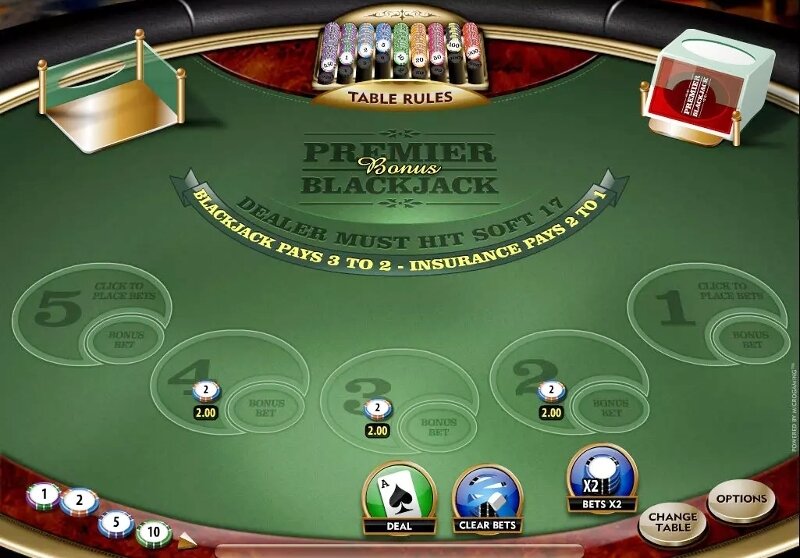
Most blackjack games on a UK platform like Bacanaplay bear the same name but conceal materially different rules. The baseline I look for is whether the dealer stays or draws on a soft 17. A stand-on-soft-17 rule decreases the house edge by roughly 0.22% compared with hit-on-soft-17, all else equal. Next, the ability to double after splitting and the number of re-splits permitted alter the maths further, as does whether you can double on any two cards or only on hard totals. When I open a table called “European Blackjack,” I expect no hole card, which alters doubling decisions when the dealer gets a blackjack after you have already doubled, sacrificing more than the Atlantic City variant where the dealer peeks.
A good example of how quickly the odds change is the inclusion of a “perfect pairs” side bet. The core game might have a house edge of only 0.45% under English-friendly rules, yet the side bet often hands the house over 5%, reducing your combined expected return if you bet it routinely. I consider side bets as optional tax, and I notice many players on Bacanaplay use them without recomputing the total action. Multi-hand variants let you to play three hands simultaneously, which consumes bankroll faster if you do not reduce each stake proportionally. The table limits also change: single-hand tables often begin at £1, while multi-hand can demand £5 per spot.
Beyond the headline rules, small print around splitting aces (can you draw one card or multiple?), late surrender availability, and blackjack payout ratios (3:2 versus a thief’s 6:5) are the real comparators. I never use a 6:5 payout game because the house edge rises from a friendly sub-0.5% to nearly 2%, an almost fourfold increase. When I browse Bacanaplay’s lobby I sort for 3:2 tables first, then check the rule panel before placing a chip. This checklist habit preserves my returns far more than any bonus hunt.
- Dealer stands on soft 17: decreases house edge by roughly 0.22%.
- Double after split allowed: lowers edge by about 0.14%.
- Re-split aces permitted: rare but trims edge further.
- Blackjack pays 3:2 instead of 6:5: retains roughly 1.3% edge.
Roulette Variants: Why the Number of Zeros Governs Your Extended Return
Roulette variants look nearly alike at a glance, yet the count of green pockets is the primary greatest divider. European roulette with a single zero has a 2.70% house edge on straight-up bets. French roulette, which I always seek, maintains that same wheel but adds the “la partage” rule, refunding half your even-money bet when the ball lands in zero, lowering the edge to 1.35% for those outside bets. American roulette, with its double zero slot, pushes the edge to 5.26%, nearly doubling the expense of every spin. I am always surprised how many UK platforms still place American wheels front and centre.
At Bacanaplay I see multiple roulette versions, and I head towards the French tables whenever they appear. Auto-roulette titles speed up spin cycles by removing the dealer pause, which boosts the hourly theoretical loss in the same way fast blackjack operates, so I change unit size accordingly. Mini-roulette, which sometimes shows up in arcade sections, reduces the wheel to thirteen pockets but often awards 11:1 on straight-up numbers, resulting in a steep house edge around 7.69%. It appears cute but depletes a roll quickly. Always check the paytable before you play.
Live dealer variants have broadened the roulette universe further. Immersive roulette includes slow-motion ball-drop replays and multiple camera angles but maintains a standard single-zero wheel. Lightning Roulette applies random multipliers of up to 500x on selected straight-up numbers and awards 30:1 for non-multiplied wins, which pushes the edge closer to 2.8% even with the multipliers. I calculate that the expected value changes only marginally for straight-up play, turning it a cosmetic upgrade rather than a math-friendly alternative to French roulette. Compare the paytable, not just the branding.
Transaction Speed and Financial Options: Why It’s Important When Assessing Table Game Sessions
The pace of a table game session changes plainly when withdrawal turnaround is quick. E-wallets like PayPal, Skrill and Neteller usually process cashouts within a few hours to one business day at UK-licensed platforms, whereas debit card withdrawals often take one to three working days and bank transfers can run to three to five. If I participate in multiple short table sessions and want quick access to winnings, I fund my account with an e-wallet. On Bacanaplay I observe a typical UK cashier setup that includes Visa, Mastercard, PayPal and bank transfer, and I confirm current processing times in the site’s FAQ.
Deposit speed is just as relevant. Table game variants often have dynamic market limits that change throughout the day on live tables, so a fast deposit via Apple Pay or instant bank transfer lets me seize a seat before the table fills. I maintain a small float loaded via an instant method for that reason. Withdrawal fees are another small but real cost: while many UK sites forgo them, some levy for bank wire, which can eat a percent or two of your net profit. I verify the cashier page on Bacanaplay to see if any method carries a surcharge.
Currency support rounds out the banking picture. UK players should see GBP as the default, which eliminates conversion fees. When I test cashout routes, I record the time from pending to processed, because a casino that handles quick internal review on table game winnings signals a smoother overall operation. The connection to variant choice is simple: quicker payouts mean I can redeploy capital to a different table variant, say, moving from blackjack to baccarat, without days of dead float.
- E-wallets: usually under 24 hours after approval.
- Debit cards: 1–3 business days.
- Bank transfer: 3–5 business days, possible fees.
- Instant bank / Apple Pay: instant deposits, withdrawal not always available.
Mobile-Friendly Design: How Touchscreen Controls and Screen Dimensions Influence Variant Selection
Evaluating table game variants on a mobile compels you to weigh interface design as much as rules. RNG tables often display a simplified felt with large chip denominations that work well on a 6-inch screen, whereas live dealer tables need a consistent landscape view and a reliable data connection. At Bacanaplay I find that the mobile site manages both categories without needing a dedicated app, and the HTML5 layout reflows chip stacks and bet buttons smartly. Portrait mode on some live dealer titles has improved recently, yet I still choose landscape for multi-hand blackjack or complex poker-style variants where the decision buttons crowd the screen.
Touch controls also modify the pace of play. Dragging chips onto a bet spot is gratifying but slower than tapping preset amounts on an RNG blackjack app, which might be a hidden benefit because it lowers hands per minute and tightens hourly loss. I test how reactive the double-down and split buttons perform, because a delay could cause a mis-click that alters the session outcome. On Bacanaplay the mobile lobby enables me to filter table games by provider, so I can readily find a variant whose mobile interface I have already tuned to my preferences.
Device compatibility covers to older iOS and Android versions, and I advise closing background apps to maintain the live stream stable. Live dealer variants with chat functions drain more battery, so I often change to an RNG blackjack or roulette variant for longer couch sessions. The range of mobile-ready tables inside Bacanaplay means I never have to settle for a variant whose controls hinder me; if the bet placement feels clunky on one title, I simply select another that offers the same core rules but improved touch ergonomics.
- Goldbet Casino Walkthrough: Unlocking Bonus Mathematics & Security Protocols – The Exhaustive Whitepaper
- Кракен: Полное руководство по входу на онион и обзор функционала
- The Ultimate Dexscreener Guide for Effective DEX Trading
- Кракен: безопасные методы доступа и ссылки на 2026
- Unleashing Potential with Jupiter Swap: Your Guide